Comprehensive Realtor Services: Your Definitive Guide to Acquiring and Selling Real Estate
Complete realtor services are critical for anyone dealing with real estate transactions. These services span a broad spectrum of tasks, from market analysis to closing procedures. Understanding the role of a realtor can considerably shape the purchasing or selling experience. As clients deal with the complexities and nuances of real estate, the expertise of realtors becomes priceless. What particular strategies do realtors utilize to ensure success for their clients? Exploring this question reveals significant insights about the real estate process.
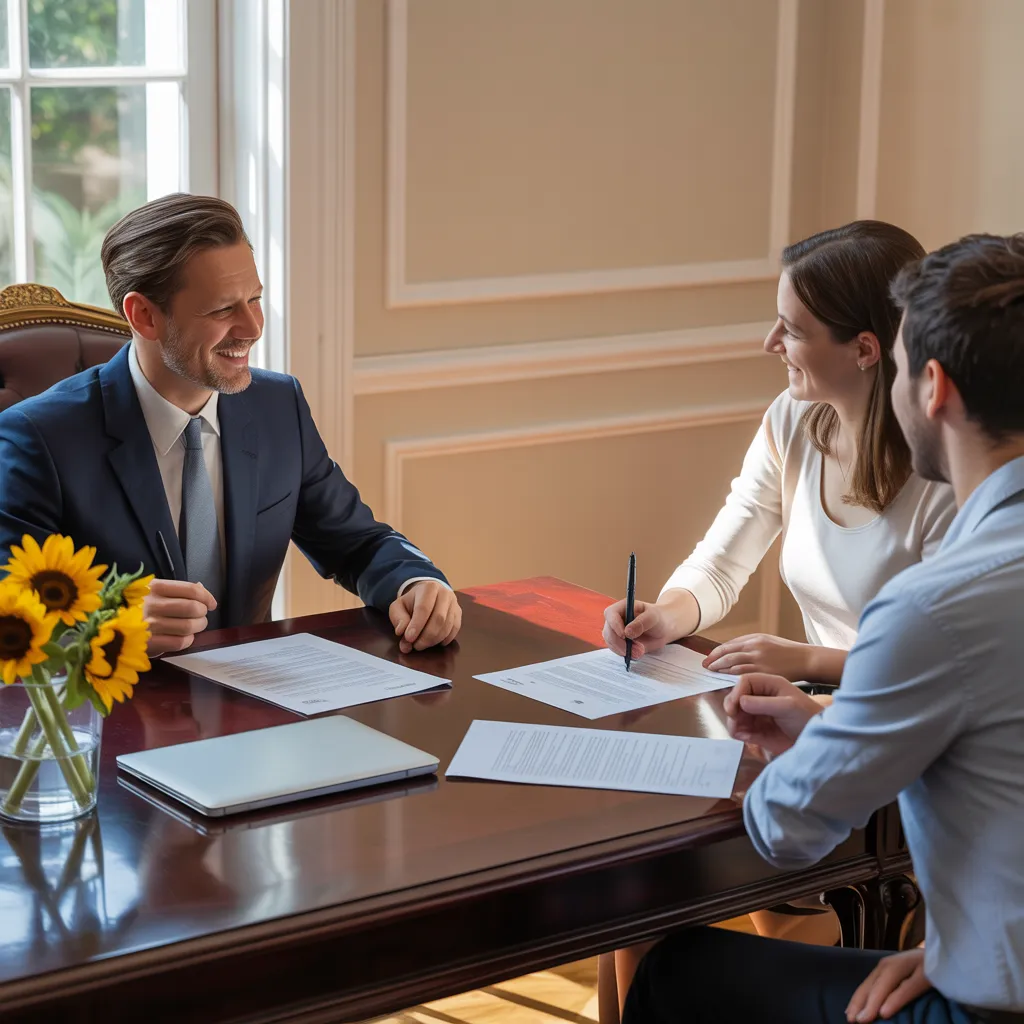
Discovering the Purpose of a Realtor
Although most individuals see realtors as simply facilitators of housing transactions, their role covers an extensive array of responsibilities that stretch far beyond just sales. Realtors work as expert guides through the intricate process of buying or selling property. They supply clients with priceless insights into local market trends, enabling them make informed decisions. Also, realtors help with preparing homes for sale, delivering advice on staging and necessary repairs to increase appeal.
Moreover, they are skilled negotiators, representing their clients' needs during negotiations and contractual agreements. Realtors also oversee substantial paperwork, ensuring adherence to legal requirements and industry standards. Apart from transactions, they sustain relationships with clients, fostering trust for future endeavors. Essentially, realtors are essential allies in navigating the intricate landscape of real estate, devoted to achieving the most favorable outcomes for their clients.
In-Depth Market Research
An In-Depth Market Analysis is vital for grasping current market trends and making informed decisions in real estate. By employing various property valuation techniques, realtors can precisely assess property worth and guide clients effectively. This analysis serves as a critical tool in steering through the complexities of buying or selling homes.
Comprehending Marketplace Trends
Market trends act as critical signals for real estate professionals, steering their decisions and strategies. By assessing data on residential sales, inventory levels, and price variations, agents can detect patterns that suggest shifts in the market. Recognizing these trends allows realtors to advise clients effectively, whether they are purchasing or selling properties. For instance, an increase in buyer demand may indicate a opportune time for sellers, while rising interest rates could encourage buyers to act more conservatively. In addition, tracking local economic indicators, such as job growth and population changes, enhances market analysis. Finally, a detailed understanding of market trends prepares real estate professionals to maneuver through complex landscapes and provide informed guidance to their clients.
Property Evaluation Methods
Real estate valuation methods are crucial for ascertaining the worth of real estate assets in a competitive market. One frequently utilized method is the Comparative Market Analysis (CMA), which evaluates recent sales of comparable properties to establish a price range. Appraisers may also use the Cost Approach, examining the cost to replace the property minus depreciation, and the Income Approach, particularly for rental properties, which determines value based on potential income generation. Moreover, automated valuation models (AVMs) employ algorithms and public data to provide immediate estimates. Each approach has its benefits and drawbacks, and realtors often blend methods for a more accurate evaluation. Understanding these approaches enables buyers and sellers to make knowledgeable decisions in their real estate transactions.
Strategic Home Listings and Marketing Methods
Strategic property listings and marketing strategies are critical for attracting potential buyers in a competitive real estate market. To create an impactful listing, professional photography is essential; it highlights the property's best features and garners attention online. Moreover, carefully written descriptions that highlight unique aspects of the property can stir emotions, making it more appealing to potential purchasers.
Using multiple listing services (MLS) maximizes visibility, while social media platforms can further expand reach. Targeted ads on sites like Facebook and Instagram can aid in reaching specific demographics interested in the property type.
Open houses and virtual tours provide opportunities for home buyers to view the property in person, fostering a more meaningful connection.
Finally, continuous follow-up with potential buyers is vital for keeping engagement and resolving any concerns without delay. By utilizing these tactics, Realtors can effectively market properties in the market, consequently enabling successful transactions.
Working Through Buyer and Seller Talks
As you navigate through the complexities of buyer and seller negotiations, it is essential for Realtors to form a foundation of trust and open communication. Productive negotiation depends on dive in understanding the motivations and needs of both parties. Realtors ought to listen actively, building an environment where concerns can be expressed without hesitation.
Preparation is essential; agents should undertake comprehensive market analyses to provide clients with practical outcomes. Defined tactics for bids and counterbids can aid in handling the emotional elements of negotiations, permitting both sides to feel acknowledged and esteemed. Timing likewise plays a significant role, as determining when to advance or yield can produce positive results.
Furthermore, a skilled Realtor will guide clients through prospective pitfalls, maintaining compliance with ethical and legal standards. By maintaining professionalism and fostering a team-oriented atmosphere, Realtors can support successful negotiations, eventually producing satisfied buyers and sellers who feel they have accomplished their goals.
Why You Need Open Houses and Showings
Open houses and showings are essential tools in the real estate market, serving to attract potential buyers effectively. These events allow for the showcasing of property features in a way that photographs alone cannot replicate. By fostering a warm setting, realtors can foster emotional connections that may lead to successful sales.
Drawing Interested Buyers
How can sellers maximize their property's appeal to potential buyers? One effective strategy is hosting open houses and private showings. Such events deliver a hospitable space for potential purchasers to tour the property in person, permitting them to picture their future home. A carefully coordinated open house can produce buzz and engagement, pulling in more potential purchasers than typical marketing strategies. Moreover, sellers must confirm the property is immaculate, properly illuminated, and presented to emphasize its top qualities. Such arrangements strengthen the whole experience and might produce more rapid offers. Hiring an experienced realtor to coordinate these occasions can additionally boost their impact, as they can address inquiries and offer information about the property and area, establishing confidence with prospective buyers.
Displaying Property Features
Presenting property features properly can greatly influence a buyer's decision-making process. Open houses and private showings act as important platforms for displaying a property's unique attributes. During these events, interested buyers can examine the layout, visualize their lifestyle within the space, and notice the finer details, such as architectural elements or upgraded appliances.
Real estate professionals play a crucial role in creating an inviting atmosphere, ensuring that the property is clean, brightly lit, and staged to highlight its best features. They can also deliver valuable information and answer questions, fostering a connection between the buyer and the home. Ultimately, an engaging open house or showing can leave a lasting impression, substantially increasing the likelihood of an offer being made.
Closing Procedures: What You Should Anticipate
What can one expect during the closing process of a real estate transaction? This essential stage involves finalizing all contractual obligations, confirming both parties meet their commitments. Usually, it initiates with a review of the closing disclosure, which outlines the final terms of the loan, including all fees and costs. Buyers should perform a final walkthrough of the property to validate its condition.
Next, both parties will execute numerous documents, including the deed and mortgage agreement. The buyer will must provide a certified check or arrange a wire transfer for the down payment and closing costs. Title insurance is also obtained to guard against potential ownership disputes.
Once all necessary documents are signed and payment is processed, the title is officially recorded, and the purchaser obtains the keys. This signifies the transition of ownership, completing the closing process and paving the way for the new homeowner to move in.
Post-Purchase Support and Resources
Post-closing support and tools are generally necessary for new homeowners as they navigate the move into their properties. After the excitement of closing, many buyers encounter challenges related to home maintenance, local services, and community integration. Realtors frequently provide valuable resources such as contact lists for trusted contractors, plumbers, and electricians, ensuring that homeowners can address issues quickly.
Additionally, many real estate specialists offer assistance on managing local requirements and homeowners' associations, assisting new residents adjust to their surroundings. Home warranties might also be advised to cover unanticipated repairs, ensuring peace of mind.
Additionally, continuous communication from realtors can maintain homeowners aware about market trends and property values, equipping them for future decisions. Social functions or community groups organized by realtors can further smooth the adjustment, helping new homeowners to forge connections and create a sense of belonging. All in all, comprehensive post-sale support substantially improves the homeownership experience.
Your Questions Answered
How Should I Find the Perfect Realtor for My Situation?
To select the right realtor, one should examine their experience, local market knowledge, communication style, and client reviews. A personal interview can assist in determining compatibility and guarantee the realtor understands individual needs and preferences.
What Are Common Realtor Fees and Commission Arrangements?
Typical agent fees typically range from 5% to 6% of the house's sale price, usually split between the buyer's and seller's agents. Some realtors may offer flexible commission structures, encompassing flat fees or tiered percentages.
Can a Real Estate Agent Represent Both Buyer and Seller?
Indeed, a realtor can represent both the buyer and seller in a transaction, referred to as dual agency. However, this arrangement can result in potential conflicts of interest, necessitating full disclosure and consent from both parties involved.
How Long Does the Buying or Selling Process Usually Take?
The purchase or sale process usually requires between one to three months. Factors influencing this timeline include market conditions, property type, financing, and negotiation complexities, which can sometimes shorten or lengthen the entire process.
What Happens When My Property Remains Unsold in the Projected Timeframe?
If a property remains unsold within the anticipated time period, the owner may reevaluate pricing strategy, strengthen marketing approaches, or consider staging improvements. Consulting with a realtor can help pinpoint effective changes for attracting potential buyers.